
Making Time for Yourself: The Importance of Intentional Self-Care
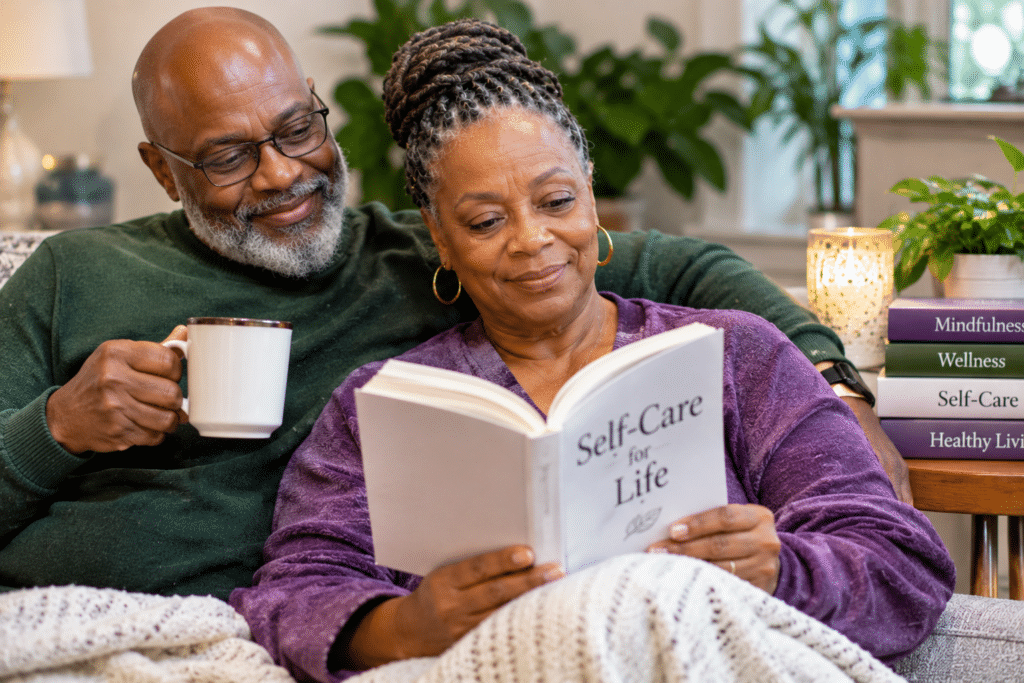
When life gets busy, self-care is often the first thing we sacrifice.
We prioritize work, family responsibilities, deadlines, and the needs of others. Before we realize it, our own needs have been pushed to the bottom of the list.
But caring for yourself is not selfish. It is an important part of maintaining your overall well-being.
What Does Self-Care Really Mean?
Self-care is the intentional practice of taking steps to support your physical, mental, emotional, and spiritual health.
It doesn’t always mean expensive treatments, luxurious holidays, or an entire day at the spa.
Sometimes, self-care looks like:
- Getting enough sleep.
- Preparing a nourishing meal.
- Taking a walk outdoors.
- Saying no to commitments that overwhelm you.
- Spending time with people you love.
- Taking a break from your phone.
- Asking for help when you need it.
- Making time for prayer, meditation, or quiet reflection.
The most meaningful self-care practices are often the simple ones we incorporate into our everyday routines.
Why Intentional Self-Care Matters
When we consistently ignore our needs, we may become overwhelmed, exhausted, or emotionally drained.
Intentional self-care encourages us to pause and pay attention to how we are feeling.
It also helps us recognize our limits, establish healthier boundaries, and make choices that support our well-being.
Self-care is not about avoiding responsibilities. It is about ensuring that we are also taking care of the person responsible for carrying them.
Start With Small, Realistic Changes
You don’t need to change your entire lifestyle overnight.
Start by identifying one or two things you can do consistently.
Perhaps you can dedicate 15 minutes each morning to quiet reflection, take a short walk during your lunch break, or establish a bedtime routine that allows you to get more rest.
The goal is to develop habits that are realistic and sustainable.
Give Yourself Permission to Pause
You deserve time to rest, reflect, recharge, and enjoy life.
At Healing House Community, we believe that self-care and whole-person wellness should be part of everyday living, not something we only consider when we are exhausted.
Make yourself a priority. Your well-being matters.
Reflection question: What is one self-care practice you can commit to this week?
Explore More About Self-Care
Learn more about the 5 Pillars of Self-Care and how they support whole-person wellness.
Have Questions or Need More Information?
For inquiries or further information, you can reach Rev. J directly at:

